What Attracts Spiders Inside Sydney Homes and How to Stop Them
Spiders enter Sydney homes when they find insects, shelter, moisture, and quiet hiding spots. Outdoor lights, garden clutter, open gaps, stored boxes,…
Prompt, Affordable Same-Day Spider Pest Control in Sydney. Starting From $249

Home » Spider Control Sydney
At Tom’s Pest Control Sydney, our technicians attend homes and businesses across Sydney every week to inspect spider activity and work out where spiders are entering, hiding or building webs. A spider seen inside the house is usually only part of the problem, so we start outside and work our way in.
Our Sydney team regularly deals with spider activity in homes, apartments, commercial buildings and outdoor areas across the region.
Our spider pest control treatments start from $249. You get an upfront quote before we start, and a written report once we are finished. Same-day and next-day appointments may be available depending on technician availability.
Call (02) 8073 9252 for an upfront quote.
Get a Response in Minutes
We look forward to helping you with spider control services in Sydney.
| Question | Answer |
|---|---|
| What does spider treatment cost? | Our standard residential spider treatment starts from $249. We provide a written quote before any work begins. |
| How long does a spider treatment take? | A standard spider treatment for a typical home usually takes around 45 to 90 minutes. |
| How long does spider treatment last? | Treatment typically provides protection for three to six months, depending on the products used, weather exposure and ongoing spider activity around the property. |
| Is spider treatment safe for children and pets? | Yes. Children and pets should stay away from treated areas until the surfaces are completely dry. Standard re-entry is usually two to four hours, although this can vary depending on the treatment. |
| Which spiders do you treat? | We treat spider species commonly found around Sydney homes and gardens, including Funnel-Web, Redback, White-Tailed and Huntsman spiders. |
| How quickly can you provide spider control? | Same-day and next-day appointments may be available across Sydney, subject to technician availability. |
| Who carries out the spider treatment? | Treatments are carried out by appropriately licensed technicians in accordance with NSW pesticide-use requirements. |
| What happens if spiders return after treatment? | If spider activity returns within the applicable protection period, contact us so we can assess the situation and arrange a return visit where applicable. |
A standard home takes us 45 to 90 minutes. Before we start, your technician will tell you how long each treated area needs before you use it again.
| Spider Species | Where It Shelters | What the Treatment Targets |
|---|---|---|
| Sydney Funnel-Web Spider | Moist, shaded ground areas, including damp mulch, stacked timber, retaining walls and subfloor voids. Funnel-Webs can also shelter in burrows around suitable garden areas. | Perimeter areas, garden harbourage, burrow sites and ground-level entry points. |
| Redback Spider | Dry, sheltered outdoor locations such as letterboxes, outdoor furniture frames, play equipment joints, deck steps and bin areas. | Active webbing, sheltered outdoor harbourage and egg sacs where present. |
| White-Tailed Spider | Indoors, particularly in bedrooms, laundries and bathrooms. They may be encountered around clothing, towels, bedclothes and other sheltered areas. | Internal skirting lines, entry gaps and areas that may support prey activity. |
| Huntsman Spider | Indoors and around buildings, particularly during warmer months. They may enter through flyscreens, garage door gaps and open windows. | Likely entry points and harbourage areas rather than unnecessary broad interior spraying. |
| Black House Spider | External window frames, eave joins, brickwork and other sheltered gaps around the outside of buildings. | Suitable harbourage areas, frame gaps and other accessible points where spiders are establishing webs. |
| Wolf Spider | Gardens, lawns, ground-level areas, garages and other locations where they can shelter close to the ground. | Ground-level harbourage, perimeter areas and potential entry points around the property. |
| Mouse Spider | Ground-level areas and burrows, particularly around gardens and suitable soil or sheltered outdoor locations. | Ground-level harbourage, perimeter areas and potential entry points. |
| Trapdoor Spider | Underground burrows in garden beds, soil and other sheltered ground-level locations. | Burrow areas, surrounding harbourage and accessible perimeter locations. |
| Garden Orb Weaving Spider | Gardens, fences, outdoor lights and other areas where they can build large webs between structures. | Webbing locations, outdoor harbourage and areas contributing to recurring web activity. |
Source: Funnel-Web distribution, Australian Museum. White-Tail indoor behaviour, Isbister and Gray, Medical Journal of Australia, 2003.
Funnel-Webs prefer damp, sheltered ground, which is why we check garden mulch, retaining wall bases, timber piles and subfloor areas during an inspection rather than the wall face. They move about at night and after rain.
The males wander looking for females from November through April, and that is when most people come across one. We treat the mulched garden beds and the ground-level perimeter, and we suggest booking before summer so the treatment is already in place when the males start moving.
Our technicians pay particular attention to properties backing onto bushland or reserves, especially where there is damp, shaded garden cover close to the house. Funnel-Webs are associated with moist, shaded habitat, so these areas are worth checking during an inspection.
Source: Australian Museum, Funnel-web Spiders and Sydney Funnel-web Spider (Atrax robustus).
White-Tails are one of the few spiders we treat mainly indoors. They hunt at night, and we usually find them in bedrooms, laundries and bathrooms, often in bedclothes, towels or clothing left on the floor.
They are hunting other spiders, so a White-Tail job is not a perimeter spray. We treat internal skirting lines and entry gaps, and we always check the roof void, because that is normally where the food source is.
One thing worth clearing up, because customers ask us about it constantly. White-Tail bites do not cause flesh-eating ulcers. Australian research on 130 confirmed bites found none. Most bites cause pain and a red mark that settles within about a day.
Source: Isbister GK and Gray MR, White-tail spider bite: a prospective study of 130 definite bites by Lampona species, Medical Journal of Australia, 2003.
We match the treatment to your household. If you have young children, pets or a fish tank, tell us when you book and we will adjust how we treat.
See our commercial pest control services in Sydney for multi-pest and scheduled programmes.
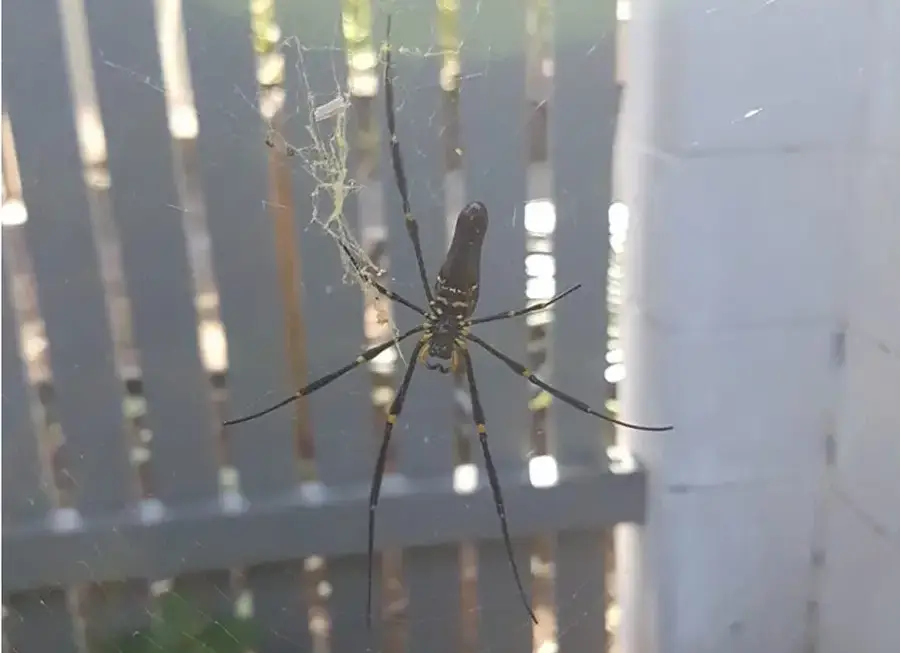
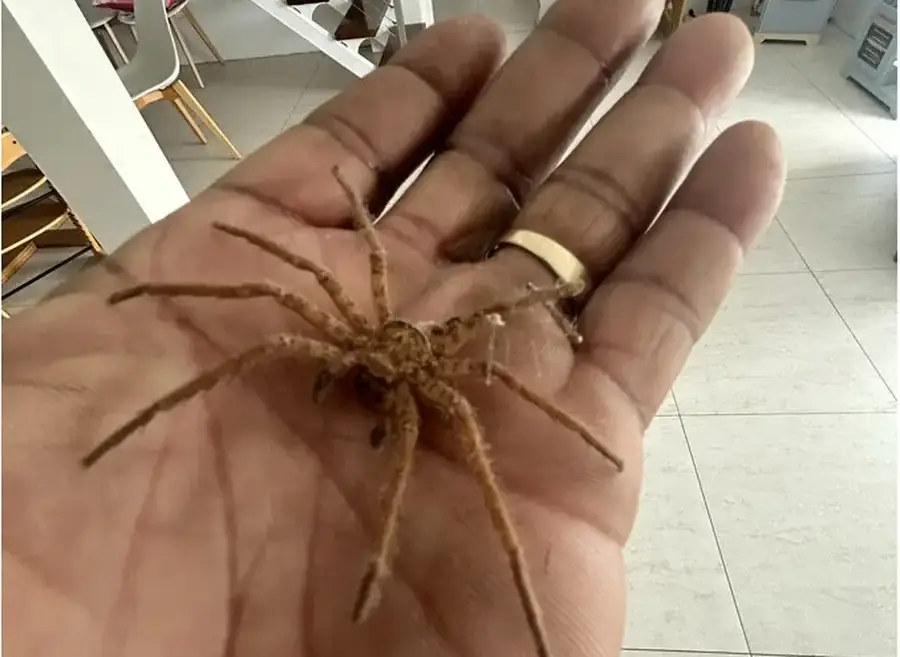
Deck step nosings. The underside of deck steps is an area our technicians regularly check for Redback activity. It is easy to overlook during a quick inspection, particularly where the underside is shaded and protected.
If you have found a Redback near where your children play, or a Funnel-Web anywhere on the property, tell us when you call on (02) 8073 9252. We prioritise those jobs.
| Funnel-Web group | Redback and White-Tailed | |
|---|---|---|
| First action | Call 000 immediately | Wash the bite site with soap and water |
| Bandaging | Apply a pressure immobilisation bandage and keep the person still | Do NOT apply a pressure immobilisation bandage |
| Cold pack | Do not use | Apply a wrapped cold pack, 15 minutes on and 15 minutes off, for pain |
| Why the difference | Funnel-web venom travels through the lymphatic system, so compression slows it | Redback venom enters the bloodstream, so compression gives no benefit |
| Who to call | 000 | Poisons Information Centre 13 11 26, or 000 if symptoms worsen |
Take extra care with children, older people and anyone pregnant or with a known allergy. If you cannot identify the spider and the person is deteriorating, treat it as a Funnel-Web bite and call 000.
According to the Australian Museum, there have been no recorded deaths in Australia from a Funnel-Web bite since the antivenom was introduced in 1981. Redback bites are rarely life-threatening and the NSW Poisons Information Centre advises that routine antivenom is no longer recommended, though a death was reported in Sydney in 2016. Treat any bite that is getting worse as serious and seek medical help.
Every property is different, but the same places come up on job after job, so we check all of them:
Our technicians are sometimes called to properties in Sydney where a homeowner believes they have found a Funnel-Web, but the spider turns out to be a Mouse Spider or another similar-looking species. Identification matters because different spiders need different advice, so we confirm what we are dealing with before treatment.
Supermarket sprays work on the spider you can see. They do not work on the ones you cannot.
| Comparison | DIY surface spray | Professional treatment |
|---|---|---|
| What it reaches | The spider and web in front of you | Harbourage points, wall cavities, weep holes, roof void and subfloor |
| Egg sacs | Usually missed. Eggs hatch after spraying. | Located and removed where accessible |
| Species identification | None. Mouse Spiders and Trapdoor Spiders are commonly mistaken for Funnel-Webs. | Confirmed before treatment is chosen |
| How long it holds | Days. Activity returns as spiders move back in. | Months rather than days, with residual protection that keeps working after the visit |
| Product | Contact knockdown, little residual value | APVMA-registered residual products applied to label |
| Dangerous species | Handling a Funnel-Web or Redback yourself carries real risk | Treated by a licensed technician without handling the spider |
| Record of work | None | Written report of findings and treatment |
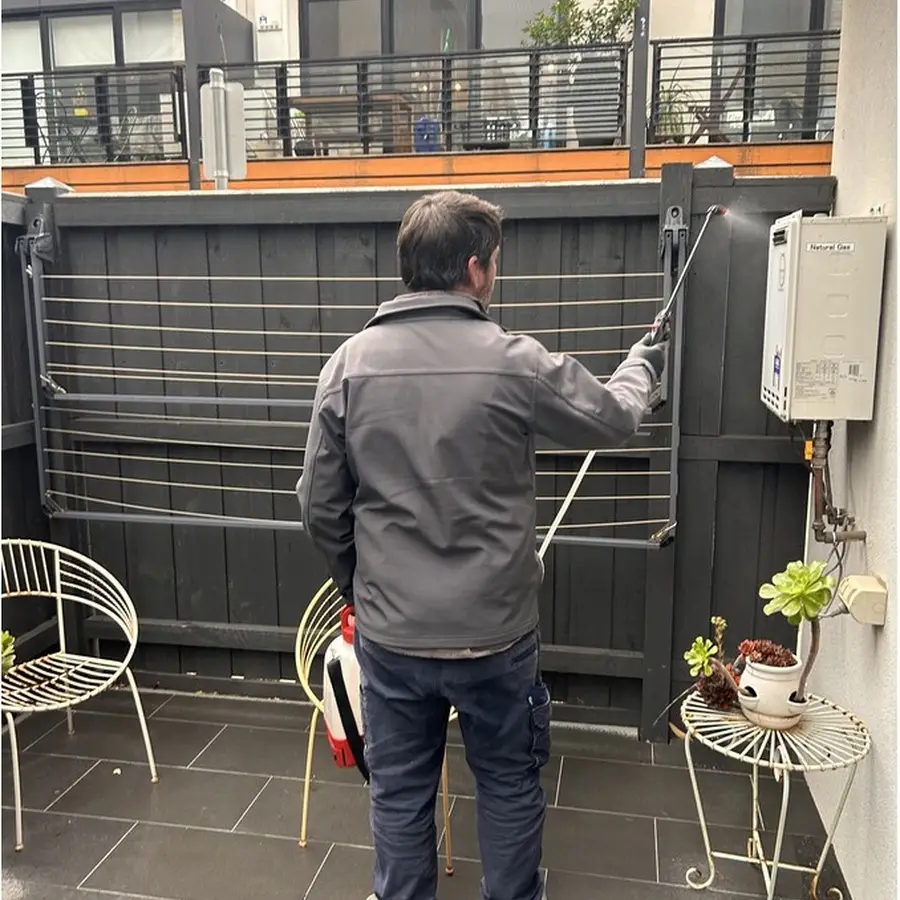
One of our Tom’s Pest Control Sydney technicians recently attended a property in Mosman after the homeowner found a Redback near their child’s outdoor play area. In the same week a White-Tailed Spider had turned up in the main bedroom overnight, and a second one in the laundry two days later.
During the inspection we found five active Redback webs rather than the one they had seen. The two on the play equipment, plus webs under the deck step, inside the wall-mounted hose reel housing and behind the rainwater tank downpipe bracket. Inside, we traced the White-Tails to two entry points at skirting level, then got into the roof void and found Black House Spider webbing along the ceiling joists near the eave joins on three sides.
Our technician identified the roof void as the likely source. The White-Tails were following their food down into the living areas. We treated all five Redback spots, sealed and treated the two indoor entry points, and cleared and treated the roof void webbing at the joist line.
We gave the homeowner a written report listing every location and what we treated, and booked a follow-up at six weeks to cover any egg sacs we could not see on the first visit.
| Job type | Typical range | What is involved |
|---|---|---|
| Standard residential treatment | From $249 | Single-storey home, internal and external, inspection and report included |
| Larger or multi-storey home | Quoted on inspection | Longer external perimeter, additional eave and upper-level access |
| External only, Redback focus | Quoted on inspection | Outdoor structures, play equipment, deck and garden harbourage |
| Commercial premises | Quoted on site inspection | May include work health and safety documentation and out-of-hours scheduling |
Four things change the price.
Every job is quoted upfront in writing before work begins, and most Sydney properties are quoted the same day. For pricing across other services, see our guide to pest control costs in Sydney.
We get busy at two points in the year, and both are predictable.
| Period | What is active | What to do |
|---|---|---|
| September to November | Redbacks begin breeding. Funnel-Web activity increasing as the ground warms. | Best window to book. Treatment is in place before the summer peak. |
| December to February | The peak of the Funnel-Web wandering season, which runs November through April. Redback webs at their highest density outdoors. | Check shoes and gloves left outside. Keep mulch back from the walls. |
| March to May | Garden Orb Weavers peak. Wolf, Huntsman and White-Tailed Spiders move indoors as temperatures drop. | Second best window to book, before they establish inside. Clear webs from pergolas and light fittings. |
| June to August | Lowest overall activity. Established indoor populations persist. | Good window for a full property treatment with minimal disruption. |
Related services: general pest control in Sydney, termite control in Sydney, cockroach control and pre-purchase pest inspections.
Spider treatments in New South Wales must be carried out by a technician holding a Pest Management Technician Licence issued by the NSW Environment Protection Authority under the Pesticides Act 1999 (NSW) and the Pesticides Regulation 2017. Every product we apply is registered with the Australian Pesticides and Veterinary Medicines Authority and used in accordance with its approved label. We are fully insured, and a certificate of currency is available on request.
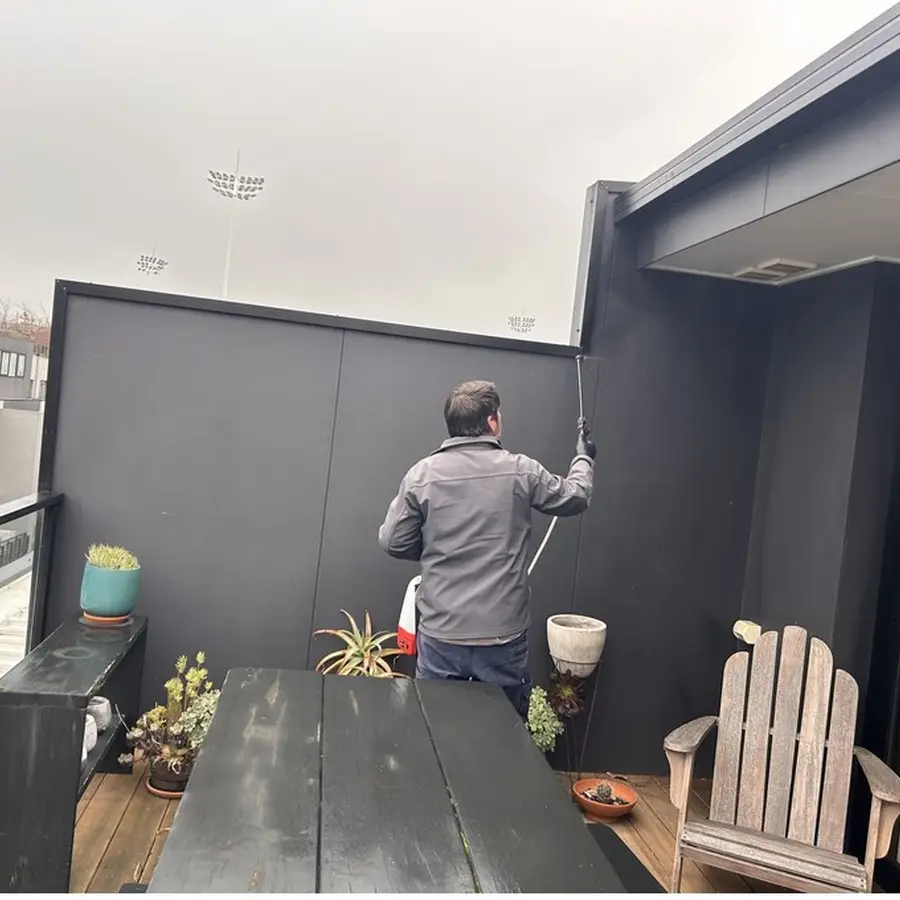
We can knock spider activity right down and stop them setting up near your doors and windows. What we cannot do is promise you will never see another spider, because they live outdoors and always will. The difference is that we reach the hiding spots and egg sacs a can of spray never gets to, which is why our treatment holds for months instead of days. That is why our technicians inspect the full property instead of only treating where the spider was seen.
We start from $249 for a standard home, which covers the inspection, the treatment, web removal where we can reach it and your written report. What moves it from there is the size of your place, whether we need to treat inside as well as outside, how much activity we find, and whether we need roof void or subfloor access. For commercial premises we quote after we have had a look at the site.
Yes, once everything is dry. We use products registered with the APVMA and apply them the way the label says, and our technicians are licensed to do it. Usually you are back to normal in two to four hours, and your technician will tell you the exact timing on the day. Let us know when you book if you have young children, elderly family, pets or a fish tank. We will ask you to cover the tank, and if anyone has a respiratory condition we would give the treated rooms a bit longer.
There are two busy periods. From November through to April the male Funnel-Webs are on the move at night and after rain, and Redback webs are at their thickest outside. Then from March to May the Wolf, Huntsman and White-Tailed Spiders start coming indoors as it cools off, and that is when most people ring us about spiders in the house. If you book in September or early March you get ahead of both.
Seal the gaps around doors, windows, vents and pipe openings, and get flyscreens on the windows you open. Swap cool-white outdoor globes for warm-tone LEDs, because the white ones pull in the insects the spiders come to eat. Trim plants back off the walls, clear the clutter out of the garage and shed, and pull heavy mulch back about 300 to 400 millimetres from the wall. The mulch one surprises people, but Funnel-Webs need damp ground, so it makes a real difference.
Do not try to handle it. Keep the kids and pets away from that area and give us a call on (02) 8073 9252, and we will prioritise the job. If someone has been bitten by a Funnel-Web, call 000, put on a pressure immobilisation bandage and keep them still. If it was a Redback, do not bandage it. Wash the bite, put a wrapped cold pack on it and ring the Poisons Information Centre on 13 11 26, or 000 if things get worse. The first aid for the two is the opposite of each other.
They hurt, but they are not what most people think. Australian research on 130 confirmed bites found none of them caused the flesh-eating ulcers White-Tails get blamed for. Most bites leave pain and a red mark that settles within a day, and about half leave a spot that stays irritated a bit longer. It is still worth getting a bite looked at, especially with children.
How long a treatment lasts depends on the products we use, how exposed the area is to weather, and how much spider pressure is coming from next door or nearby bushland. On most Sydney properties that works out at around three to six months. Exposed outdoor areas can need us back sooner through the busy season. On Redback jobs we book a follow-up at six weeks as standard, because any egg sacs we could not see on the day will hatch inside that window.
For most homes, not for long. The treated areas just need to dry before you use them again, which is normally two to four hours. Your technician will go through the timing with you before we start and let you know if any room needs to stay shut a bit longer.
Because a can of spray gets the spider you can see and nothing else. The hiding spots, the egg sacs and the insects they are feeding on are all still there. The eggs hatch a week or two later, and spiders from next door move straight into the empty spot. What we apply stays active on the surfaces they walk across for months, which is why it holds.
Yes, and it is worth mentioning when you book. Male Funnel-Webs wander at night and regularly end up in backyard pools. They can survive down there for hours by trapping air in the hairs on their body, so never assume a spider at the bottom of the pool is dead.
Yes. We look after offices, retail premises, warehouses, restaurants, childcare centres, schools, aged care and strata buildings right across Sydney. We can work around your trading hours, and we give you written treatment records for your compliance and work health and safety files.
Can’t find the answer you’re looking for?
Call us now!
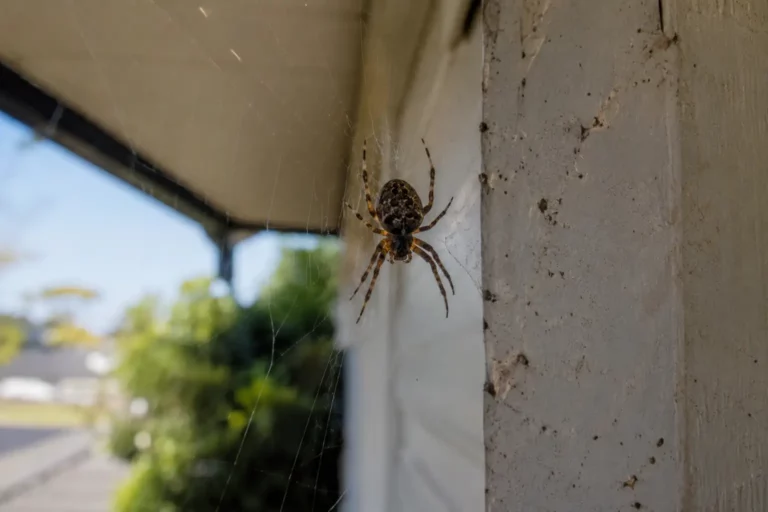
Spiders enter Sydney homes when they find insects, shelter, moisture, and quiet hiding spots. Outdoor lights, garden clutter, open gaps, stored boxes,…
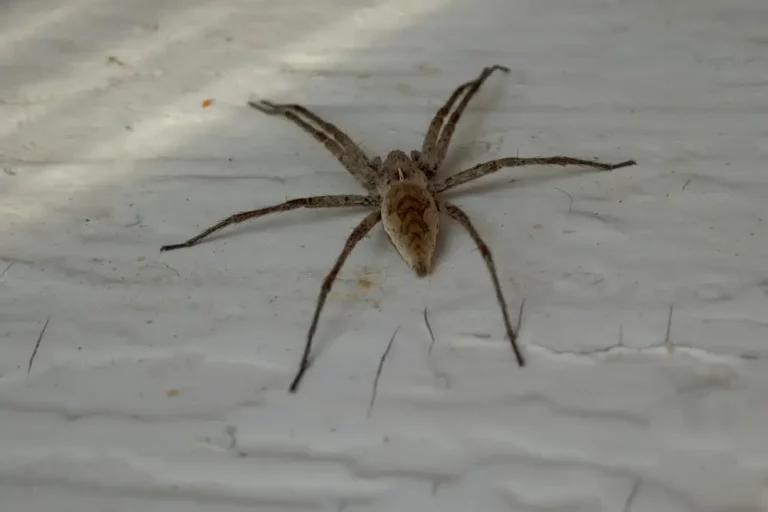
Tom’s Pest Control Sydney deals with spider infestations across Sydney homes every week. Many residents notice webs in corners, spiders around outdoor…
Sydney’s summer heat waves and sticky humidity turn your home into prime real estate for spiders. These eight-legged intruders slip into cool,…
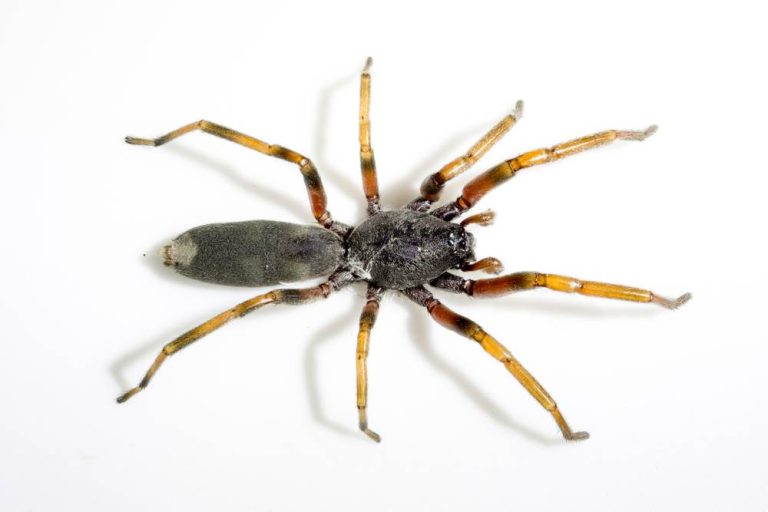
White-tailed spiders are a common household pest in Australia. They are usually harmless to humans, but their bites can be painful and…
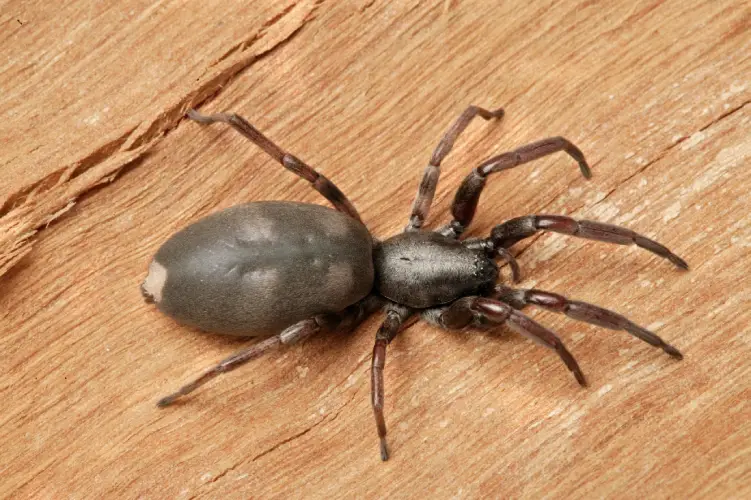
The white tail spider is just one of one the most afraid spiders in Australia. This is because they are recognised as…
Found spiders around your Sydney property? Give our team a call on (02) 8073 9252 and we can arrange an inspection. Tell us what you have seen and where you saw it, and we will give you an obligation-free quote.